Adopting a cat is an exciting and rewarding experience, but the first 30 days are critical for helping your new feline friend adjust to their new environment. Whether you’re a first-time cat owner or welcoming another cat into your home, it’s important to provide the right care, patience, and support during this adjustment period. In this guide, we’ll cover essential tips to ensure a smooth transition for both you and your newly adopted cat.
Create a Safe Space for Your Cat
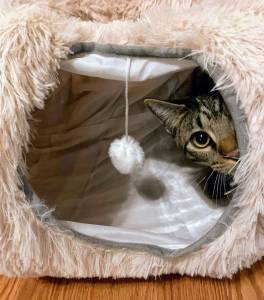
When you first bring your new cat home, it’s essential to give them a safe, quiet area where they can feel comfortable and secure. A small room, such as a bathroom or spare bedroom, can serve as their initial space. Cats may feel overwhelmed by a large, unfamiliar environment, so gradually introducing them to the rest of the house is key.
Why This Matters:
Providing a safe space helps reduce stress and anxiety for your new cat. It allows them to explore their surroundings at their own pace and become familiar with your home while feeling protected. Pro Tip: Place essential items like a litter box, food, water, and a cozy bed in this room. Ensure the space is cat-proofed, removing any items that could pose a danger, such as cords or small objects.
Establish a Routine
Cats thrive on routine. By setting a consistent schedule for feeding, playtime, and rest, you help your new cat adjust to their new life more quickly. A routine gives them a sense of predictability and security, which is especially important in the early days of adoption.
Pro Tip: Feed your cat at the same times each day and designate specific times for play and interaction. This will build trust and help them feel more settled.
Why This Matters:
A routine helps your cat understand that they are in a stable environment. It can also reduce behavioral issues that might arise from stress, such as excessive meowing or hiding.
Give Your Cat Time to Adjust
It’s natural to want to bond with your new cat right away, but it’s important to allow them space to adjust at their own pace. Some cats may be shy or scared when they first arrive, while others might explore immediately. Respect their comfort levels and avoid overwhelming them with too much attention.

Why This Matters:
Cats have unique personalities, and while some may warm up quickly, others may take days or even weeks to feel fully comfortable. Rushing the bonding process can increase stress for both of you. Pro Tip: Let your cat come to you when they’re ready. Use positive reinforcement, like treats and toys, to encourage interaction without forcing it.
Introduce Other Pets Gradually
If you have other pets at home, it’s important to introduce them to your new cat slowly and carefully. Keep the new cat in their safe space for the first few days, allowing them to become familiar with the scents of other pets before any face-to-face introductions.

Why This Matters:
Rushing the introduction between pets can lead to territorial behaviors, stress, or even aggression. A slow introduction helps all pets adjust to one another in a positive and calm manner. Pro Tip: Start by letting your new cat and existing pets sniff each other through a closed door. Gradually increase their interaction by using a baby gate or supervised visits.
Schedule a Vet Visit
Within the first week of bringing your new cat home, schedule a veterinary check-up. Even if the shelter or rescue has already provided medical care, it’s a good idea to establish a relationship with your vet and ensure your cat is in good health.
Why This Matters:
A vet visit ensures that your new cat is up to date on vaccinations, spayed or neutered, and free from any underlying health issues. It’s also an opportunity to discuss any questions or concerns you may have about your cat’s health or behavior. Pro Tip: Bring any medical records you received from the shelter to your first vet visit, as this helps the vet create a proper care plan for your cat.

Provide Enrichment and Playtime
Cats, especially young or active ones, need regular physical and mental stimulation. Providing toys, scratching posts, and interactive play sessions helps burn off excess energy and prevents boredom. Interactive playtime also helps strengthen the bond between you and your new cat.
Why This Matters:
Cats that are bored or understimulated may develop behavioral issues such as scratching furniture or excessive vocalization. Providing enrichment keeps them happy and engaged. Pro Tip: Invest in a variety of toys, such as feather wands, laser pointers, and puzzle feeders, to keep your cat entertained. Rotate toys regularly to maintain their interest.
Monitor Eating and Litter Box Habits
During the first few weeks, it’s important to keep an eye on your new cat’s eating, drinking, and litter box habits. Changes in appetite or unusual litter box behavior can be early signs of stress or health issues.
Why This Matters:
A sudden lack of appetite or unusual litter box habits, such as avoiding the box or straining to urinate, may indicate underlying health problems that require veterinary attention. Pro Tip: Feed your cat high-quality, species-appropriate food, and ensure they have access to fresh water at all times. Scoop the litter box daily to monitor for any signs of digestive or urinary issues.

Patience is Key
The most important thing to remember during the first 30 days of cat adoption is patience. Every cat adjusts at their own pace, and the key to a successful transition is giving them the time and space they need to feel safe and secure in their new home.
Why This Matters:
By being patient and understanding, you’ll build a strong foundation of trust with your cat. A stress-free, gradual adjustment period sets the stage for a happy and harmonious relationship. Pro Tip: Celebrate small wins. If your cat ventures out of their safe space for the first time or seeks out affection, these are positive steps in their adjustment process.
Final Thoughts: Making the First 30 Days a Success
Adopting a cat is a life-changing decision, and the first 30 days are critical for setting the tone of your relationship. By creating a safe space, establishing a routine, and allowing time for adjustment, you’ll ensure that your new cat feels secure and loved. With patience, care, and the right approach, your cat will quickly become a cherished member of your family.