Siberian Huskies are known for their resilience and strength, traits shaped by centuries of harsh arctic life. Originally bred by the Chukchi people of Siberia, Huskies have a fascinating history as sled dogs and loyal companions.
Origins with the Chukchi People
The Siberian Husky’s story begins in the cold, unforgiving climates of Siberia. The Chukchi people, a semi-nomadic tribe, bred these dogs for endurance, using them to pull sleds over vast, snowy landscapes. Their compact bodies and dense fur made them perfect for this challenging environment.
Role as Sled Dogs in Alaska
Huskies were introduced to North America in the early 1900s, initially participating in Alaskan sled dog races. Their speed and stamina set them apart, leading to their role in the famous 1925 serum run to Nome, which saved countless lives by delivering life-saving medicine.
Physical Characteristics and Traits
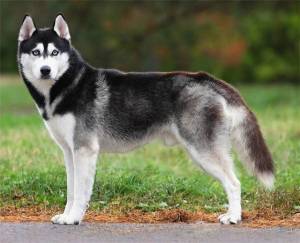
Huskies are medium-sized, with thick double coats that protect them from cold temperatures. They have striking almond-shaped eyes, often blue or bi-colored, and a signature bushy tail. Their wolf-like appearance and high energy levels make them unique among domestic dogs.
Transition to Companion Animals
Over time, Huskies became popular family pets due to their friendly, social nature. While they still maintain their high energy, they are affectionate, playful, and loyal, making them wonderful companions for active families.
Grooming Needs and Challenges
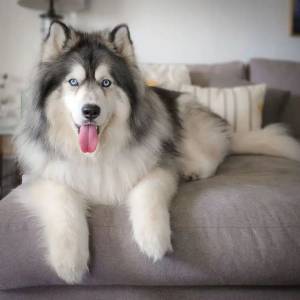
Huskies are notorious shedders, especially during “blowout” season when their undercoat sheds heavily. Regular grooming and brushing are essential, especially in warmer climates like Miami, where they may shed even more frequently.
Exercise Needs for This Energetic Breed
Huskies are high-energy dogs that require regular exercise. Bred for long distances, they thrive on activities like running, hiking, and even agility training. Inactive Huskies can become bored, which may lead to behavioral issues.
Why Huskies Are Popular in Warm Climates
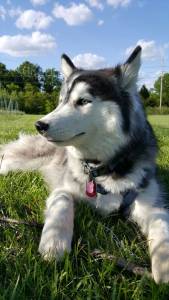
Despite their arctic origins, Huskies have adapted well to warmer climates. Their double coat helps regulate temperature, keeping them warm in cold climates and cool in warmer weather. Proper grooming and exercise routines make them well-suited to homes across the globe.